
Shot Sizes
Every shot size is a decision about distance and intimacy. Understanding the spectrum from full shot to extreme close-up gives you a vocabulary for controlling what your audience feels.
Shots only make sense together
Shot sizes are relative, not absolute. A "close-up" of a building shows one window; a "wide shot" of a pin shows its entire head. The terms scale to the subject and create meaning by contrasting with each other.
Distance = emotional space
In everyday life we control how close we let people get to us. The camera breaks those rules. A close-up places the audience inside personal space, and they feel it even if they don't think about it.
Wider shots carry more physicality
The full shot is the only framing that captures a complete performance: gesture, posture, movement. This is why silent-era acting felt so expressive; the body had room to speak. Television's addiction to close-ups traded that away.
Audiences accept big changes in size
Early Hollywood editors were forbidden to cut from wide to close-up, as it was considered too disorienting. Today audiences read extreme scale changes easily. Don't let outdated caution limit what you try.
Extreme Close-up
Eyes, mouth, ear, hands. A single feature isolated. Used for narrative punctuation, a detail that must mean something specific. Use sparingly.
Medium Close-up
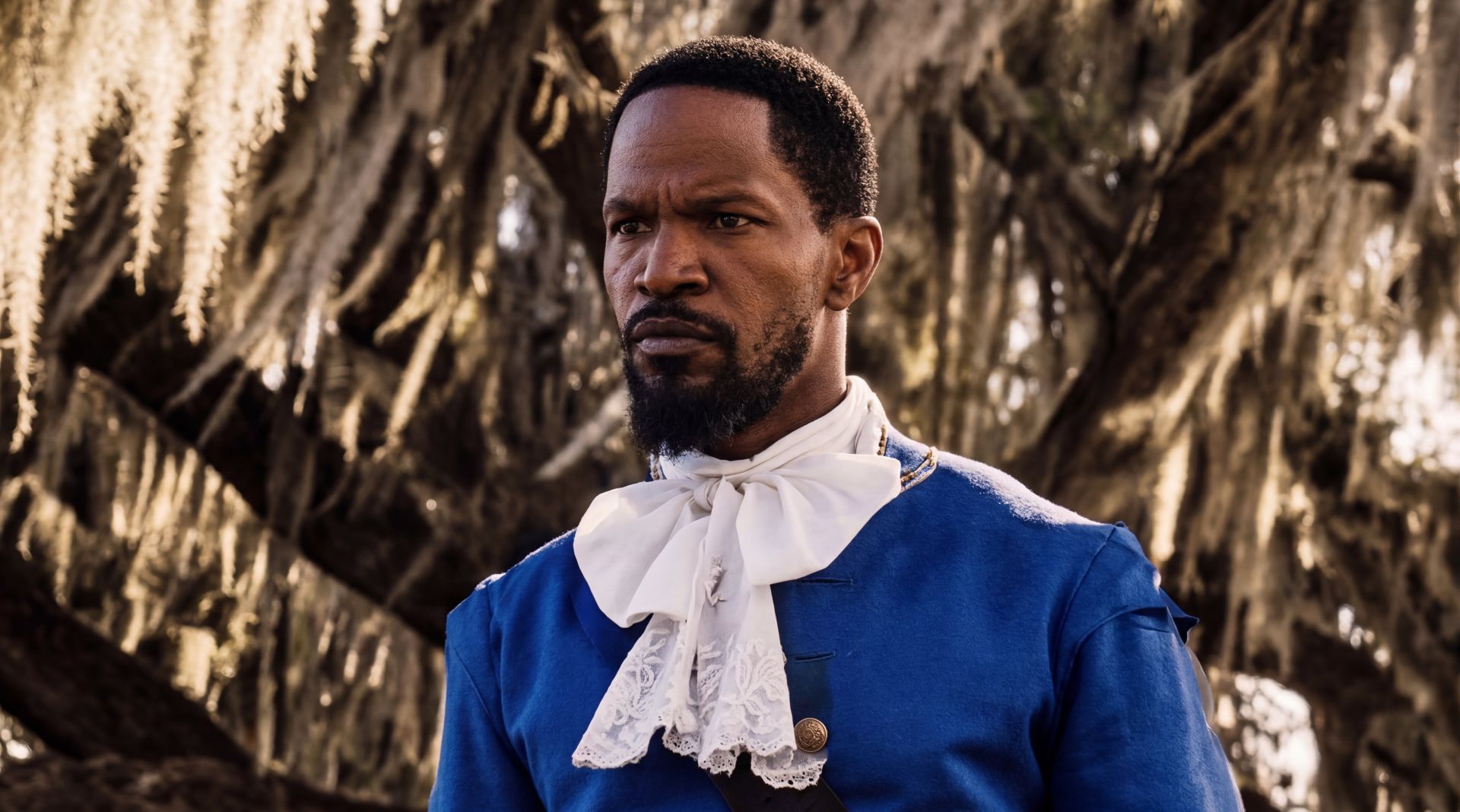
Head and upper chest. The workhorse of dialogue coverage. Close enough for expression, wide enough to include some body language. The television default.
Medium Shot
Waist up. Before television, this was the primary dialogue framing. Still widely used when gesture matters. Good for two-shots and group coverage.
Full Shot
Head to toe. Underused in contemporary film. Captures the whole body and anchors a character in their environment. Particularly powerful in widescreen.
Can you read the frame?
Prove it! Score out of 10.