
Lessons learned for supervising Dawn of War and Call of Duty
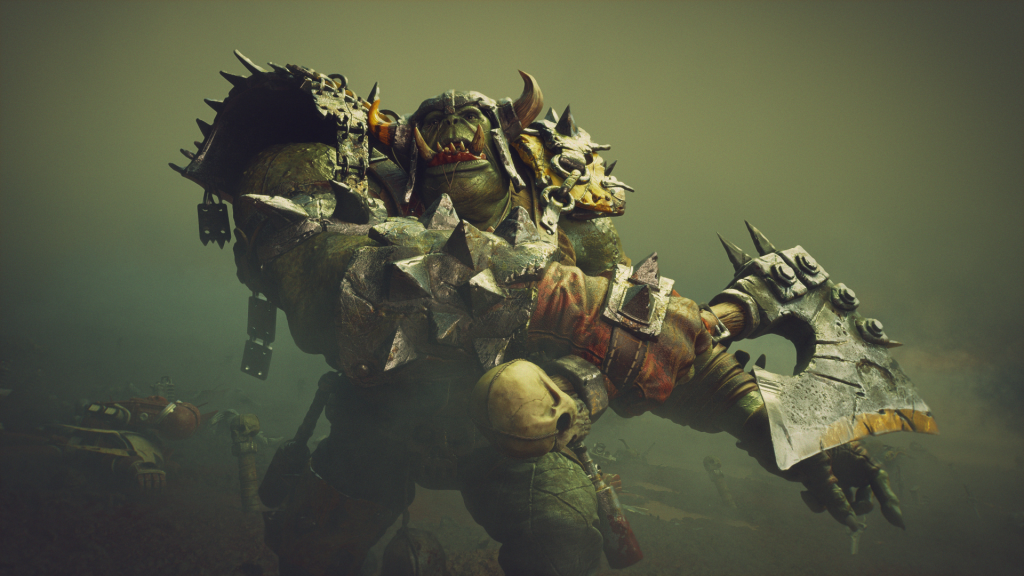
I’m often asked what the difference is between CG animation and VFX, and whether the Shoot First method is appropriate for things like animatics or feature animation. I’ve worked on a few full projects, including CG supervising this Dawn of War III trailer, and this Call of Duty Advanced Warfare animatic, so I have some thoughts on this!
There’s not a huge amount of difference between the two, but they’re closely related brothers, let’s say.
Clearly the biggest difference between the two worlds is that VFX is manipulating real footage, and full CG means creating everything from scratch. I think that results in 3 key differences
1. The language difference
One of the toughest things about VFX is managing where your digital work meets the filmed footage. The filmed footage is a reference point for your audience as to how the set looked through the camera for that shot. If you miss it, they’ll know.
But the reference point gives you a language to match to - how light/saturated/contrasty/grungy/whatever it is. You can lean on that to inform your VFX work.
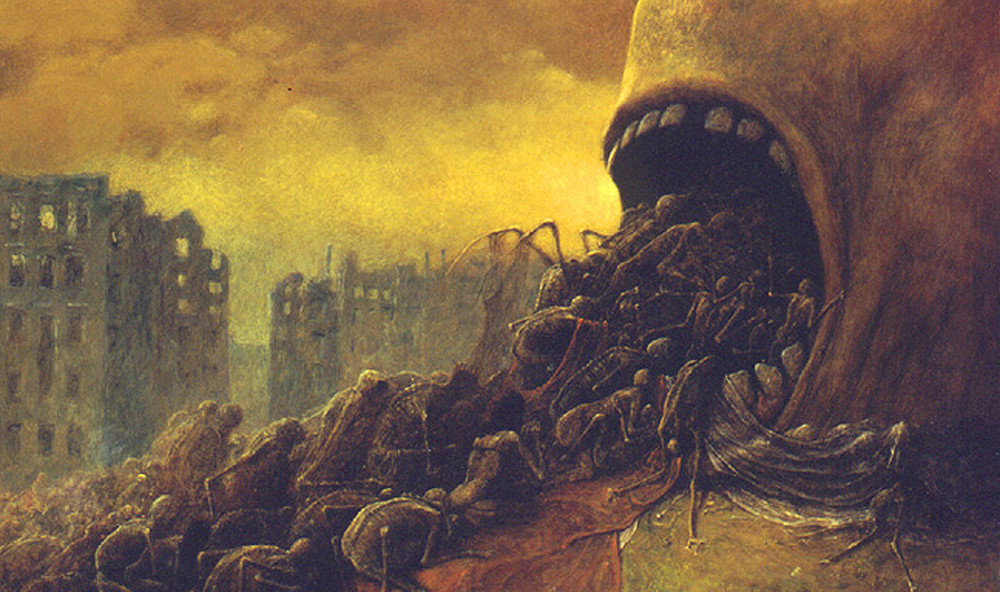
In full CG work, you have no reference point. That means that the audience can’t catch you out, which is great, BUT you have to make up the language yourself. The bad news is, that’s really hard (full CG shots are the most likely to be labelled as “bad VFX”). The good news is that you can be creative with it. In the Dawn of War trailer, we referenced the surrealist artist Beksinski, and referenced his language, rather than the real world
2. The editing difference
In standard filmmaking, once you’re wrapped shooting, it’s game on. You pick your desired takes, edit them together, and then the agony and the ecstasy begins. The VFX rarely have a huge impact on the editing process.
In full CG, there’s no shooting process. If you wait until you’ve finished all the work to stitch an edit together, you’ll have no idea whether or not the project works until right at the end, which has disaster written all over it!
To be successful in full CG, you need to be really good at getting to the end result without putting in all the work. This can be storyboards, 3d previz, or, if you’re savvy with grease pencil in Blender, a mix of both.
Boards by themselves aren’t enough, since they often lack light and colour. So you’ll need to figure that out too. Often that’s done through colour scripts - colouring in one frame of each shot from the boards, and editing that together.
Depending on your project, you could even film it live action, and make sure the edit works, before even touching CG.
3. The 2D/3D imbalance
A lot of VFX can be done in 2D, quickly and cheaply. It’s 3D where everything starts to get slower and more expensive. In full CG, you’re obviously all in on 3D, so there’s a huge hit to creating things from the ground up, and in rendering every single part of every frame of your project.
That would be a bit of a deal breaker if you want to do full CG yourself, but thank God for Unreal Engine! Using Quixel Bridge you can create complex and photoreal worlds for free, and render time is much faster than standard VFX renderers.
Just remember that even full CG shots go to compositing and grade - you can level up CG shots a lot by integrating little bits of real footage for smoke/fire/etc, and using colour grading to art direct the look
I hope that helps clear things up, and as always, let me know if you have any more questions!