
Every AI video or image tool falls into one of two camps. Get this choice right first, and everything downstream (cost, control, quality) follows from it. If you're using AI, you'll probably find yourself switching between different models.
Commercial: Kling, Seedance, Omni
A polished framework wraps the model and does the heavy lifting for you. You write a prompt, it handles prompt enhancement, tuning, and upscaling behind the scenes.
It is much easier to get a good result fast. No setup, no dials to learn. The trade is that you don't get access to any of the technical controls, the framework decides for you.
Best when you want dependable results with minimal effort, or you're only generating a handful of shots. If you're looking to do a lot of shots using something as expensive as Seedance, prepare to have plenty of cash on hand.
Open weight: WAN, LTX, Flux (in ComfyUI)
This is the far cheaper option once you're generating in volume. The model itself costs nothing to run, but you almost certainly won't be running it on your own machine. In our demos, we use RunComfy to hire a machine, so you pay by the hour (about $1 per hour for a respectably powerful machine). A model like LTX can generate a shot in under a minute, so you're getting shots for pennies a take rather than dollars.
Open weight models also have their dials exposed: Steps, CFG, Denoise, ControlNet. That means you can get much more precise control, as you may have seen in our LTX template, where we can use a filmed or rendered performance to force the generation to do what we want.
The Honest Trade
Commercial wins on reliability out of the box. Open weight wins on control and cost once you've put the hours in. Neither is simply "better", it depends on how many shots you need, how much you want to fine-tune the result, and how much time you're willing to spend learning the dials.
Getting into ComfyUI can be daunting, so expect to have to spend some time adjusting to it.
What's Inside The Cheat Sheet
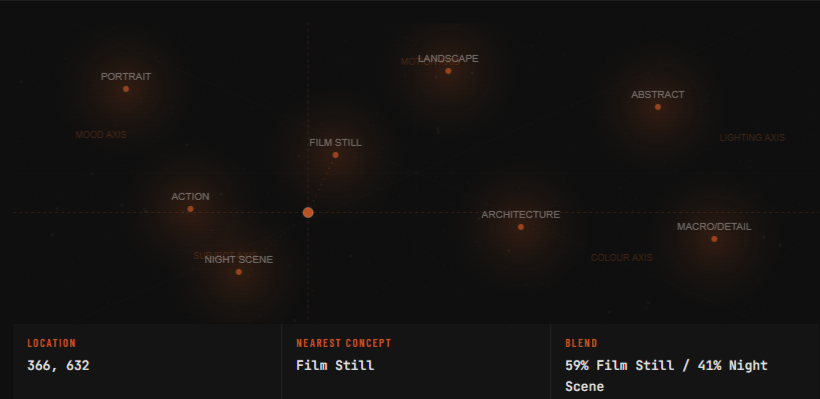
We have plenty of ComfyUI templates, including ones for understanding the theory of generative AI, which will be important if you're using open weight models. We've created this cheat sheet as a way to quickly and easily understand what the dials are and how to precisely control AI.