One thing that I’ve been thinking about recently is this -
If I could make 10 rules to help artists make the transition into being an effective visual effects artists, what would they be?
This was going to be the basis of 1 newsletter, but there’s so much to talk about that I’m going to spread it into a multiple part series.
So here are rules one and two!
1.DON’T fix it in post.
If you’ve been on any film set, you’ll know the drill, the shot getting filmed isn’t working for whatever reason. And someone says, we’ll fix it in post and everyone chuckles and looks over at whoever is representing the visual effects team on set.
Now, let’s be clear. I’m NOT saying for one minute that these people should be hit on the head with an axe. Violence won’t solve anything. But I’m not NOT saying that either.
The thing is, “fixing things in post” is the most tedious, expensive and least satisfying part of VFX. That’s because great VFX works WITH what was filmed. It needs planning.
Sure you CAN do VFX without planning. You CAN do bungee jumping without a rope. In both cases, it’s just much scarier and much more likely to end in a horrible mess.
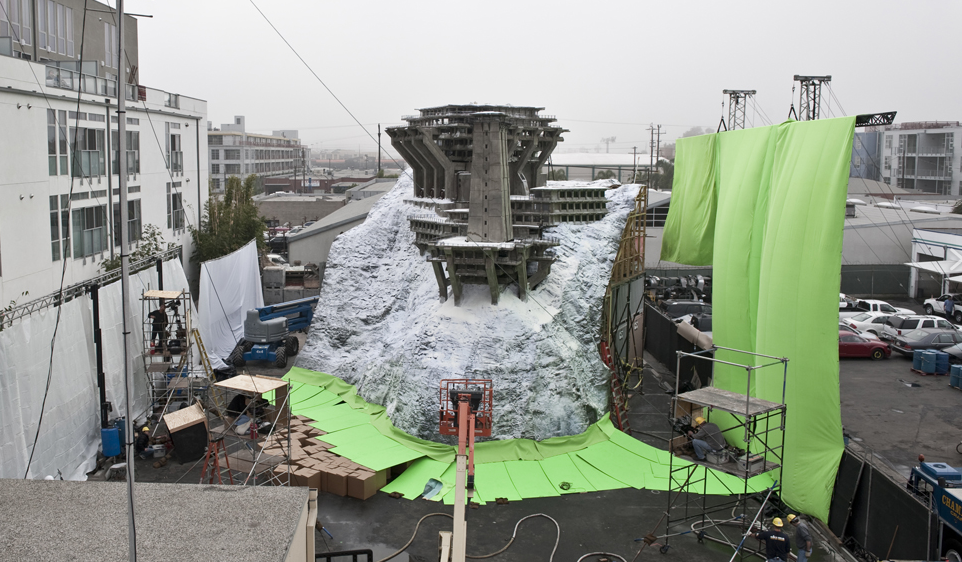
A set from “Inception”. Maybe you’re sick of me referencing Christopher Nolan. But dammit he gets amazing VFX by PLANNING! (and then makes everyone think that he doesn’t, which results in SO many directors breaking rule number 1…)
The folks most likely to fix it in post are those who are for whatever reason, “anti CGI” to start with, and insist on doing everything in camera.
I say - don’t allow yourself to have a bias. Know the limits of practical in camera effects, know the limits of digital effects. Plan accordingly and let them sing together, let them bring the best out of each other.
You don’t need to be a VFX wizard to plan your VFX either. Just think about HOW you would do an effect, whether it’s real or digital, and then TRY it before filming. Read that line a couple of times - if people did that more, VFX would be so much cheaper!
2. VFX are there to serve the story
I’ve said it 1000 times - “In VFX, we’re trying to create the most primitive version of reality that we can get away with.”
This is 100 percent true. But how do we define reality? Each person creates their own. Each work of art has its own.
So in VFX, we need to understand reality as defined by the projects that we’re working on
This is, broadly speaking, the story. Good, clean storytelling comes from taking a narrative on the world and stripping back everything that doesn’t conform to it. A “shaped reality”. As soon as you do this, you don’t need to worry about making things “interesting”, or “unique”, or “fun”, or any isolated adjective. Good means you did something to get closer to the narrative. Bad means you got further away. That’s all you need.
The miracle of great filmmaking is getting so many people across so many departments to work towards that same vision. Visual effects shouldn’t be different to any other department in this regard. But so often it is, there’s probably a bunch of reasons for this.
VFX teams do their work long after the onset crew has disbanded and moved on to other things. They are often too large for any more than a few of the key staff to overlap with directors and producers. Hardly any VFX staff get access to the shooting script, or to rough cuts of the film edit, or to anything that’s going to help you understand what the film is and by extension, what you’re supposed to do!
The end result for most visual effects artists, be they junior or supervisor level, is that their day to day life doesn’t feel like filmmaking at all.
I think that’s a tragedy in itself, but it also massively impacts their day to day work; it’s no surprise that in lieu of any insight into the film itself, visual effects artists make their own reference point for what is good or bad. Which is normally “more realistic is good”.
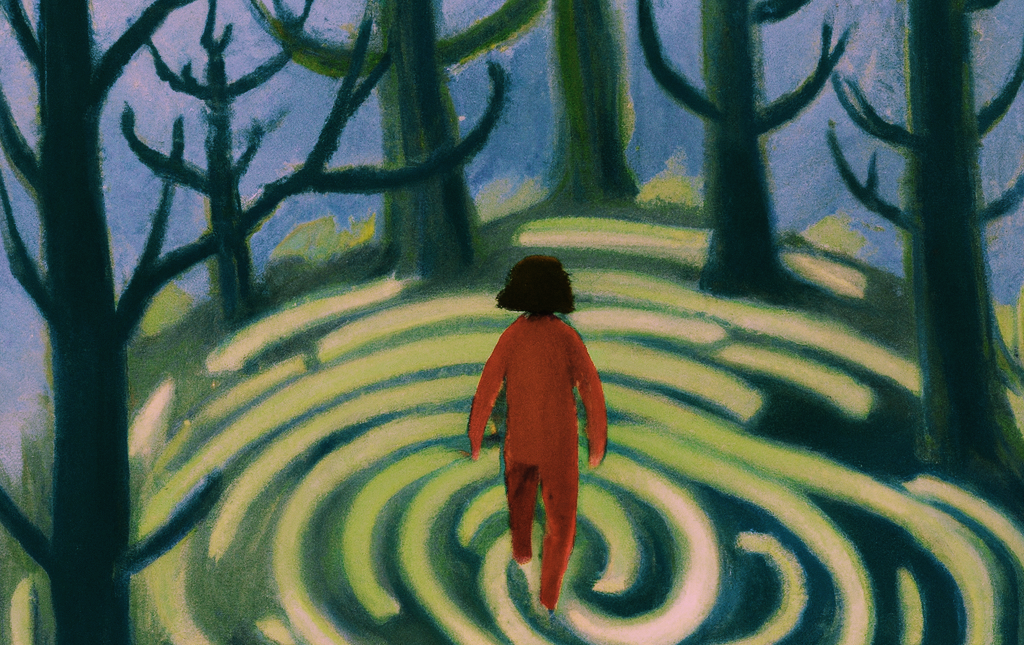
The creative process gets a lot less fun if you have no way to navigate!
I like to think of the creative process as navigating unfamiliar terrain.
How do you get to a destination that you’ve never seen before? How many decisions will you need to make on that journey? Hundreds? Thousands? Tens of thousands?
If you don’t have any solid reference point for how to get from point A to point B, you’re almost certainly going to go around in circles. And this happens to creatives all the time.
If you’re going in circles, it’s because you don’t have anything to guide you
And in film, for me, that North Star is always story. So - every day, or every hour, or every minute that I’m working on a project, I want to be checking in. “What am I trying to achieve here?” “How do I need the audience to respond?”. If you nail that, original, interesting, engaging, good, and bad will all take care of themselves.
And in VFX, that’s how you get the money onto the screen.
Have a great weekend!