The Magic of Visual Storytelling for VFX!
The Allure of Realism in Visual Effects
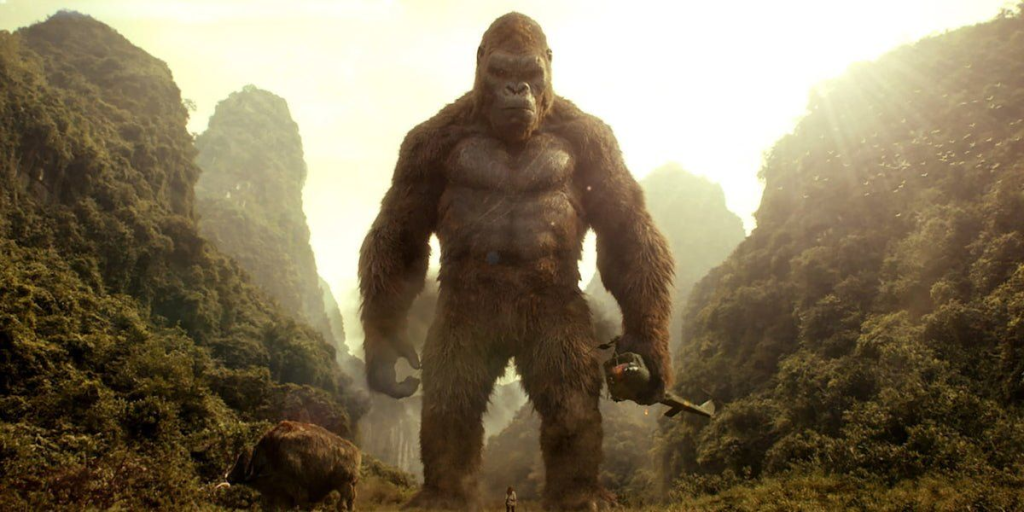
In visual effects, we are often trying to recreate the real world to fool the audience into thinking what we’ve made is real. The problem with the real world, from our point of view, is that it is filled with an abundance of details! This tendency leads visual effects artists to become obsessed with details and realism.
The Importance of Visual Storytelling in VFX
The problem with this is that it stops us from thinking about the story, and that’s why learning to be a visual storyteller is incredibly important if you want to work with visual effects. You can NEVER recreate all the details from reality. So that means you have to choose what to focus on. Or, in the case of many artists, they just keep going until they run out of time!
Discarding Unnecessary Details for Storytelling
But the truth is that not all details matter. Some are much more important than others. And that’s where the story comes in. Every detail that contributes to the story is important. Every detail that doesn’t can be discarded. No - every detail that doesn’t add to the story SHOULD be discarded, and burned with fire!
The Power of Metaphorically and Literally Zooming Out
Imagine you’re working on a shot. As a VFX professional, you almost always work on that shot in isolation. But that’s crazy! To fully understand the story of that shot, you need to see it with the shot next to it. And to understand THOSE shots, you need to see them in the context of the sequence. And to understand the sequence, you need to see it in the context of the whole film or episode!
It’s a very common experience for VFX artists to spend months on a shot, only to watch the film and realize that they could’ve done half the amount of work because a lot of the time was spent on stuff that the audience doesn’t care about. So the trick is to metaphorically zoom out, allow your mind’s eye to zoom out to think about the purpose of the project you’re working on, and then think about how you can contribute to THAT. As a professional, that also means thinking about all of your colleagues and how your work affects them. Artists who are able to do that get promoted insanely quickly!
Metaphorical zooming out isn’t enough though. You should also literally zoom out! I notice that when I give my artists feedback on something they’re working on, I instinctively take two or three steps backward from their monitor. If I’m really trying to see the big picture, I might keep walking backward and accidentally fall down the stairs. But it’s worth it. That way I don’t get pulled into the details and I can see what matters the MOST.
If the work doesn’t work at a distance, then it sure as hell won’t work close up. And YET as we work on our (potentially 4k) monitors, we naturally get closer…and closer…and cloooser.