Jun 26
/
Christian Bull
Not All Details Are Born Equal
What level of error matters in film?
A BUTTON GOES MISSING IN V FOR VENDETTA. NOBODY NOTICES. SO WHEN DOES A MISTAKE ACTUALLY MATTER?
Genuine question.
I was rewatching On the Waterfront the other night, and noticed that in one shot Brando had his arm raised, and in the next it was down again. Maybe it took me out of the film, I’m not sure. (When I’m watching a film on repeat, I’m often “out” of it a bit anyway, because I’m trying to work out every decision made by every key creative in every shot!)
But it made me wonder - where’s the threshold? At what point should you care?
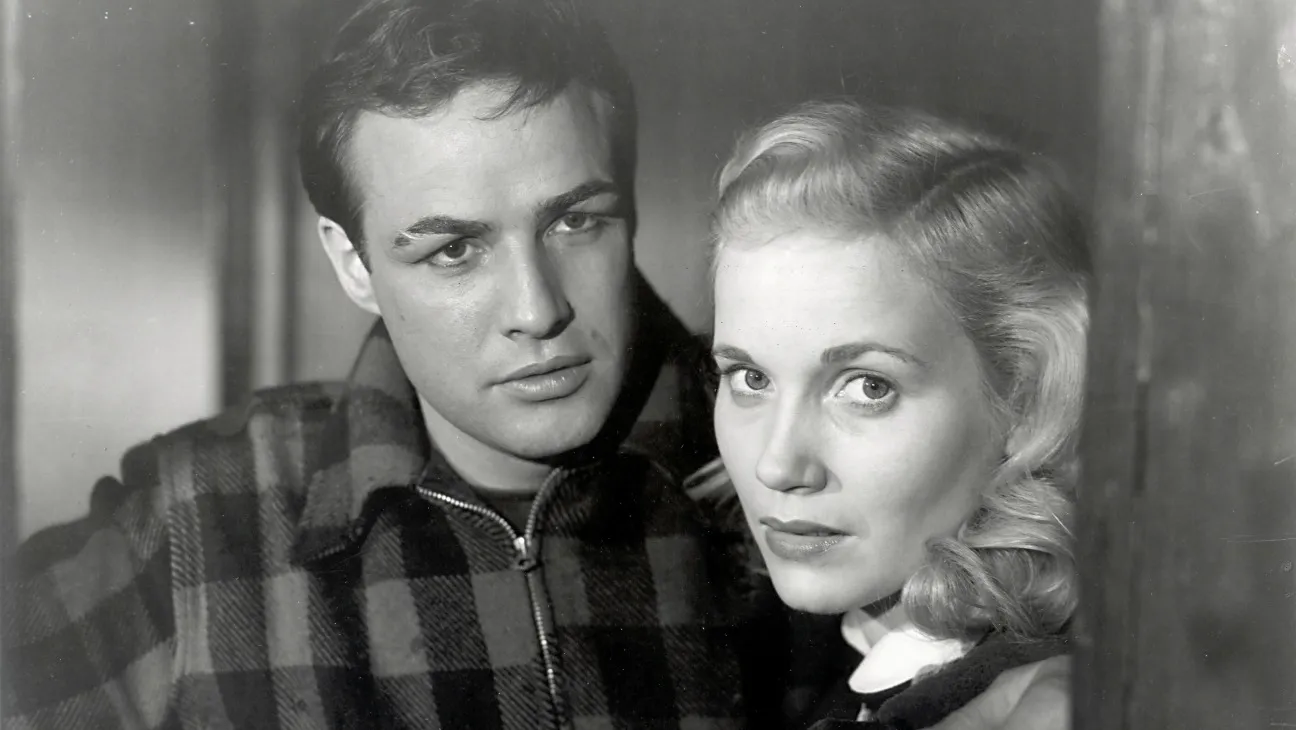
They don't care. DO YOU?
Empty space, drag to resize
FIXING THINGS NOBODY NOTICES
Coming from a VFX supervision point of view, I can tell you that a lot of money gets spent on fixes that I’m certain no one would care about. But because you can do them, they get done. Years ago, you couldn’t do them, so they didn’t get done, and no one cared.
Same with grading. These days every indie film gets graded until its eyeballs fall out, because you can, even on an indie budget. Back in the day, you couldn’t. If it was shot well, no one cared.
And now AI comes into the mix, and everyone’s an expert in spotting inconsistencies, as though it’s something unique to AI. I will say that in almost every film I’ve worked on, people have had the same amount of fingers in every shot, it’s true, but there’s always inconsistencies. “V” in V for Vendetta doesn’t have the same amount of buttons on his cape in every shot. I know that because my job was to paint out dust (yes, actual dust) from every frame. In one shot, I realised I’d mistaken his button for dust and painted it out, and I was too tired to undo it, so I just kept painting it out for the rest of the shot. Not my finest moment in film, but not my lowest either. You’ll have to buy me a few drinks for me to tell you that.
Legendary film editor Thelma Schoonmaker - whose credits include Raging Bull, GoodFellas, The Departed, Gangs of New York, and pretty much every Scorsese film worth watching - has this to say about editing for performance vs continuity. I’m including the full quote, because it’s great:
“The priority is absolutely on the best take for performance, and frankly I don’t understand why people get so hung up on these issues, because if you look at films throughout history, you will see enormous continuity errors everywhere, particularly when you’re talking about the Academy aspect ratio where you see more in the frame. Even in The Red Shoes, a film that nobody ever has complaints about, there are enormous continuity bumps, and it doesn’t matter. You know why? Because you’re being carried along by the power of the film. So throughout our history of improvisational cutting, we have decided to go with the performance, or in this case particularly with the humor of a line, as opposed to trying to make sure a coffee cup is in the right place.
I remember that when I was nominated for an Academy Award for GoodFellas and we lost to Dances with Wolves for editing, the editor of that movie said to me: ‘Why did you make that bad continuity cut?’ And I said ‘Which cut? Which continuity error? We have tons of them.’ He was talking about a scene with Paul Sorvino and another actor who was an amateur, but wonderful, though he didn’t know about matching. It was much more important for us to get this beautiful performance by this untrained actor than to worry about where the cigar is in Paul Sorvino’s hand. One wouldn't want to do that, one would hope not to do that, but if the choice comes between a beautiful, clean line and a laugh, we would always go for the laugh.”
-- THELMA SCHOONMAKER
“IF THEY'RE ON YOUR SIDE, THEY'LL FORGIVE PRETTY MUCH ANYTHING.”
Empty space, drag to resize
GOODWILL IS THE REAL THRESHOLD
The standard threshold seems to be “Did it take the audience out of the film/stop them suspending their disbelief?”. But that doesn’t take into account goodwill from the audience. If they’re on your side, they’ll forgive pretty much anything. That’s why AI errors get crucified more - a lot of the audience is against its very existence.
So I don’t have a clear cut answer, I’d be interested if you do. Ultimately I think one of the most important things to effective delivery is to recognise that not all details are born equal, and you have to learn to focus only on what matters. When I first became a supervisor, I was in awe of an old school Disney supervisor that I worked with, who would watch rushes and say “Eurgh that looks bad, but people aren’t going to be looking there. They’re looking here, let’s improve that”. Making sure that the money makes it onto the screen, as they say.
Empty space, drag to resize
YOUR WORST AND YOUR BEST
Ultimately most details don't matter. In life and art you are judged by your worst and your best. Everyone forgets the rest. So just try and make sure your worst isn't total horse crap, and know when you have to really give it your all.
But on your journey, also be aware that creating total horse crap is a necessary, unavoidable - and therefore desirable - part of the process. You can't stop people from judging, but you can't let their judgement impede your ability to deliver. Delivery is more important than quality because quality depends on delivery. As Oscar Wilde said, "The smallest act of kindness is worth more than the grandest intention."
The crappiest, most amateurish film is also worth more than the intention to create a masterpiece..
Empty space, drag to resize
A NOTE ON ASSIGNMENTS
If you're submitting assignments on our platform, you won't be judged, whether it's your worst or your best! The whole point of instruction is to find the potential in people and their work and help nurture that, and I have yet to review an assignment that doesn't show solid potential, because the very nature of hard work brings it out.
So here's to a hard working weekend (or a break, if you need it. Because God damn it's hot right now)
Empty space, drag to resize
Empty space, drag to resize
Empty space, drag to resize
Not currently a Shoot First student and want access to our AI templates along with all other filmmaking and vfx tutorials? Click the button below to choose the plan that suits you best.
Empty space, drag to resize
Empty space, drag to resize
Write your awesome label here.
Write your awesome label here.
Write your awesome label here.
Write your awesome label here.
Success! You're all signed up to the follow along!
Keep an eye on your email for updates and reminders
Write your awesome label here.
Write your awesome label here.
Write your awesome label here.
How do you want to make your film?
Close
Claim your 20% off
Thank you!