
How to use printing and scanning in your VFX
Last week, we discussed the benefit of shifting the meeting point. This week, I want to go deeper with that, and discuss how we can hide our effects even more.
So here’s the test for this week - these three shots use the exact same creature legs, but each at a different size, doing different things. How?



Let’s discuss the voodoo. It’s nothing clever, really. I initially made this creature digitally, and anytime that it’s appropriate for it to be digital, like when it’s breaking out of someone’s back, that’s the route that we took.
Today, we can move between the real world and the digital world fairly easily. The mistake that I see 90% of people falling into is having a preference one way or the other and picking sides.That’s insane to me. You go with whatever works best, as defined by - what looks good, what you can afford, and what resources you have available!
3D printing allows us to go from digital to real, and digital scanning allows us to go from real to digital. The name of the game here is getting the best aspects from both for the most powerful effects.
Often VFX aren’t the correct route, and you should be doing it in camera. When I have to do that, I will often resort to 3D printing my asset, so that I can use it in camera.
If in camera was always the right way, no one would ever use VFX! To get an object from set to your computer, you can just scan it.
You can get a 3D printer for fairly cheap (Elegoo offer good quality budget printers for both plastic and resin) and create scans using your phone camera, using photogrammetry.
So these are real possibilities even on a budget, but the technique is criminally underused because in film, “special effects” and “visual effects” (meaning practical and digital effects) are seen as different worlds. One inhabited by people with beards who play Dungeons and Dragons, and the other inhabited by dribbling computer nerds. I say you can be a dribbling computer nerd that also has a beard and plays Dungeons and Dragons. That’s a real superhero.
Here’s some more examples of this thinking in action:
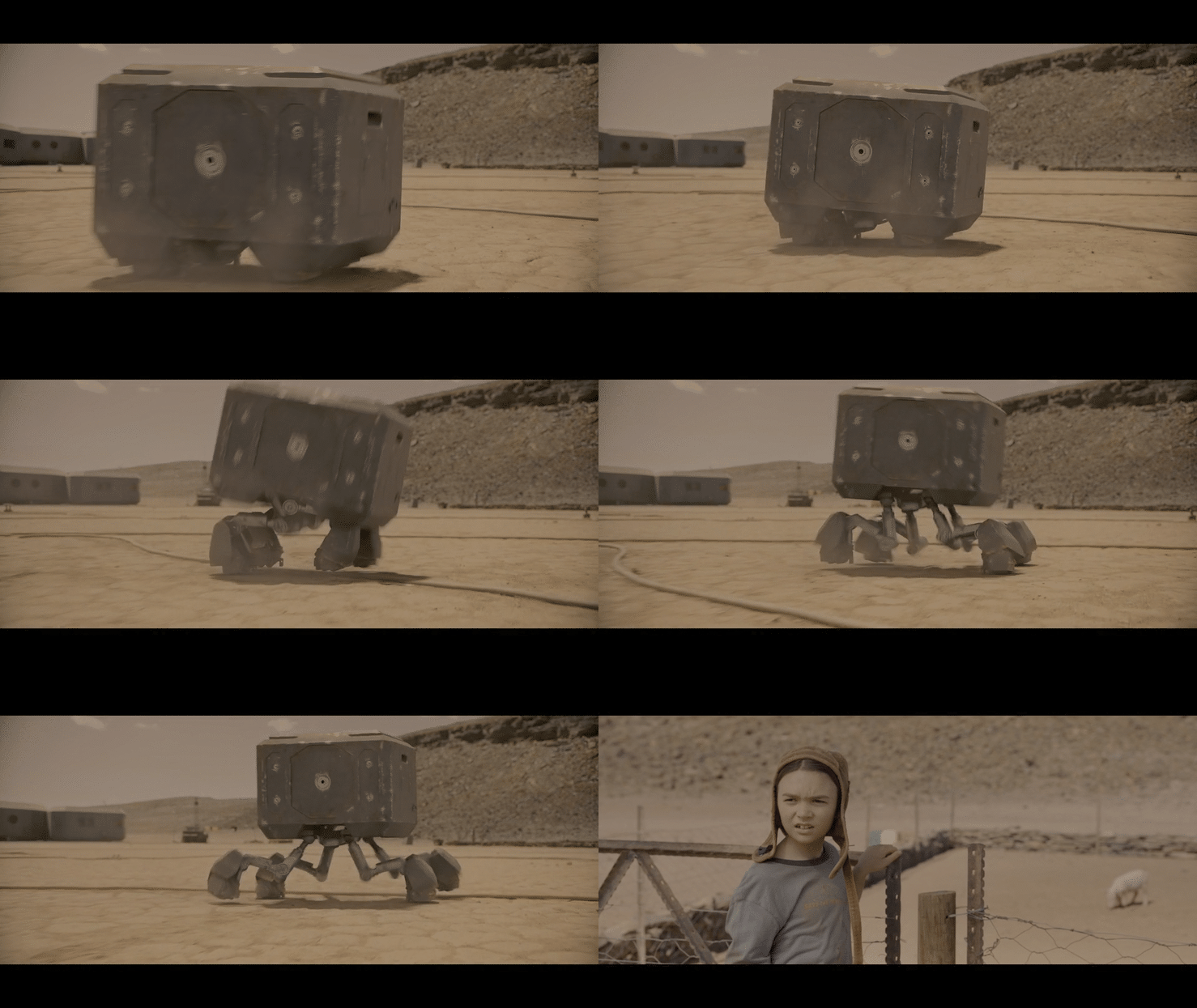
I designed this robot digitally, but ultimately, it was 3D printed. I have no engineering skills, but making it digitally allowed me to check the articulations and the proportions, and design something that could actually be a functional puppet in the real world. In the final film, he’s sometimes digital, sometimes a puppet, sometimes a mix in the same shot. Whatever works best.
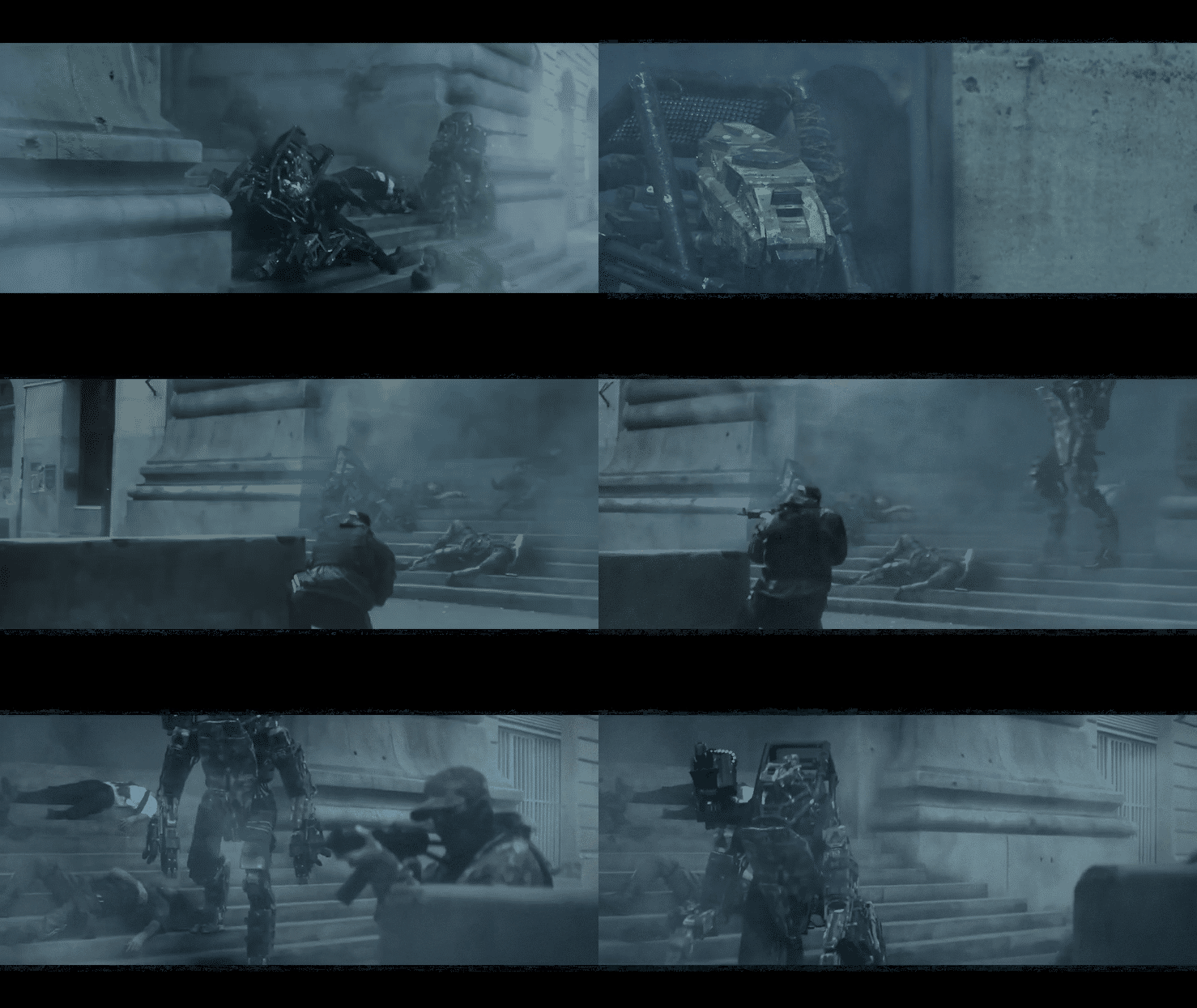
Now these robots from “Outside the Wire” are always fully digital. But when I was designing them, I wanted bits of cloth wrapped around them, and cloth can be a real pain to do digitally. So I just took some cloth from my studio, wrapped it around something that was roughly shaped like the robots, and scanned it in. And that’s what you’re seeing in the finished result.
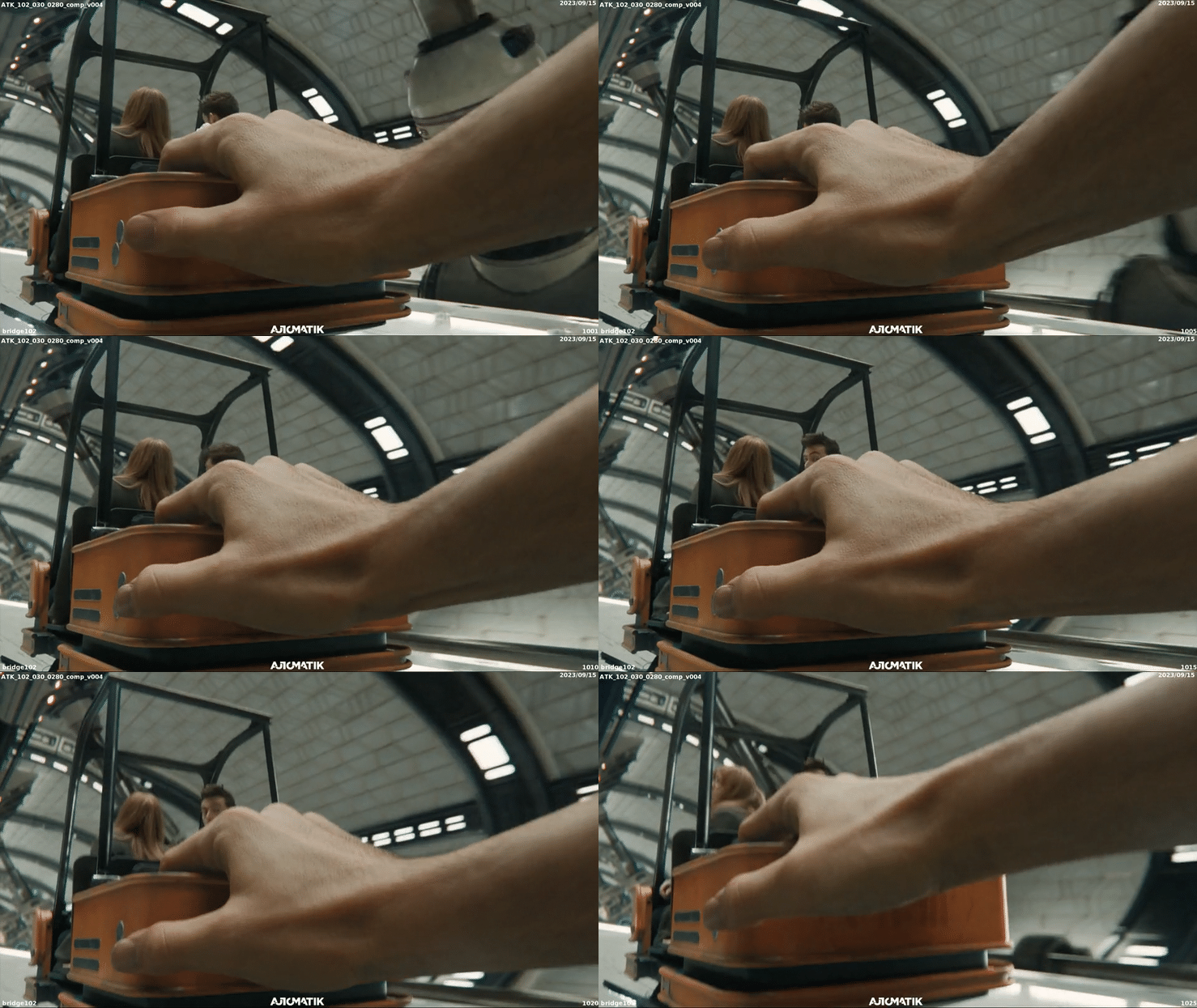
This is a digital scan then animated digitally.

And this fella was a real scorpion that I bought from eBay, scanned, and reanimated digitally. Maybe I went a bit far on that last one. But the point is this: if you want to 10x your visual effects game, it’s really worth keeping one foot in the digital world, and the other in the real world.
Until next time!