AI Generation Theory

Dive into the Legend of the Mouse Faced Dog in this week’s AI theory content
Of course theory isn’t as fun as making things go boom or squelch, so we’ve created a (surprisingly difficult to make) “Learning Template”. The idea is that you can throw in whatever image you want, then get under the hood of an AI generator and see what happens when you tinker with it.
Now if you open up the hood of a car and start messing with it, your ability to get results is going to be directly related to your understanding of how a car works. So of course we’re also releasing videos talking you through exactly how it works.
The cheat sheet version is this:
Empty space, drag to resize
CFG
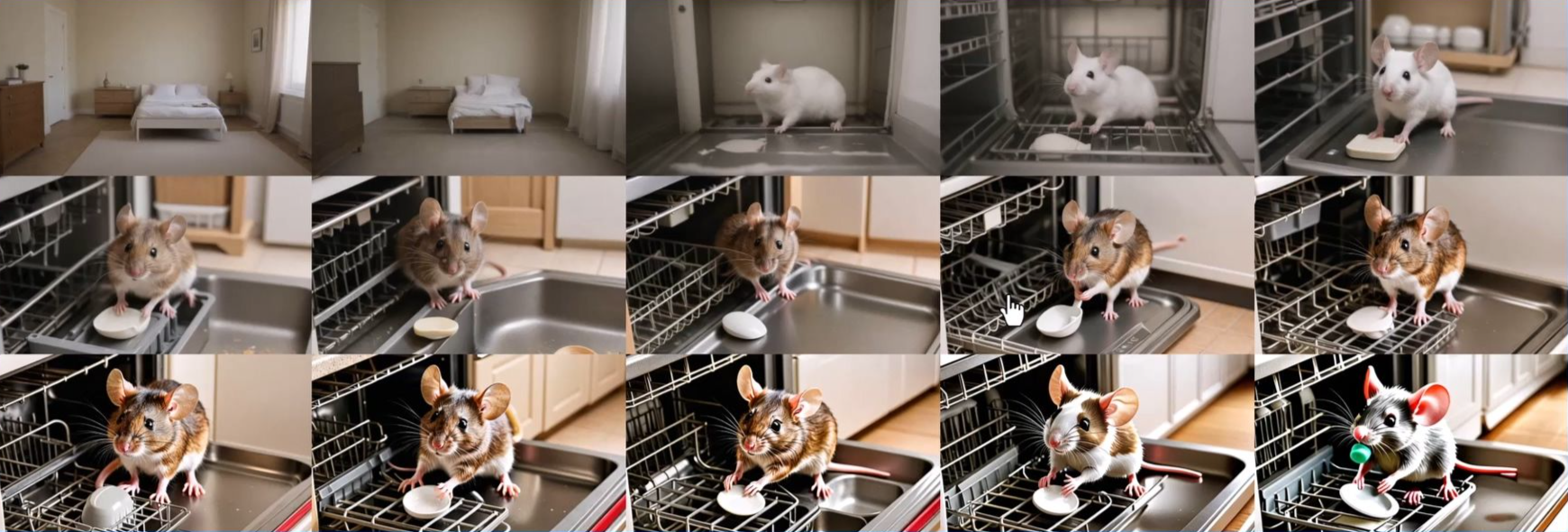
Gradual increase of CFG towards the direction “Mouse in a dishwasher"
Empty space, drag to resize
How strong your guiding force on the image is. When you’re starting out, this is just prompting; your prompt guides the path through latent space to find the necessary data to create an image. You can choose to grab its hand and walk it directly there, or whisper to it from a distance. The approach you take depends on your task.
Empty space, drag to resize
Empty space, drag to resize
Denoise
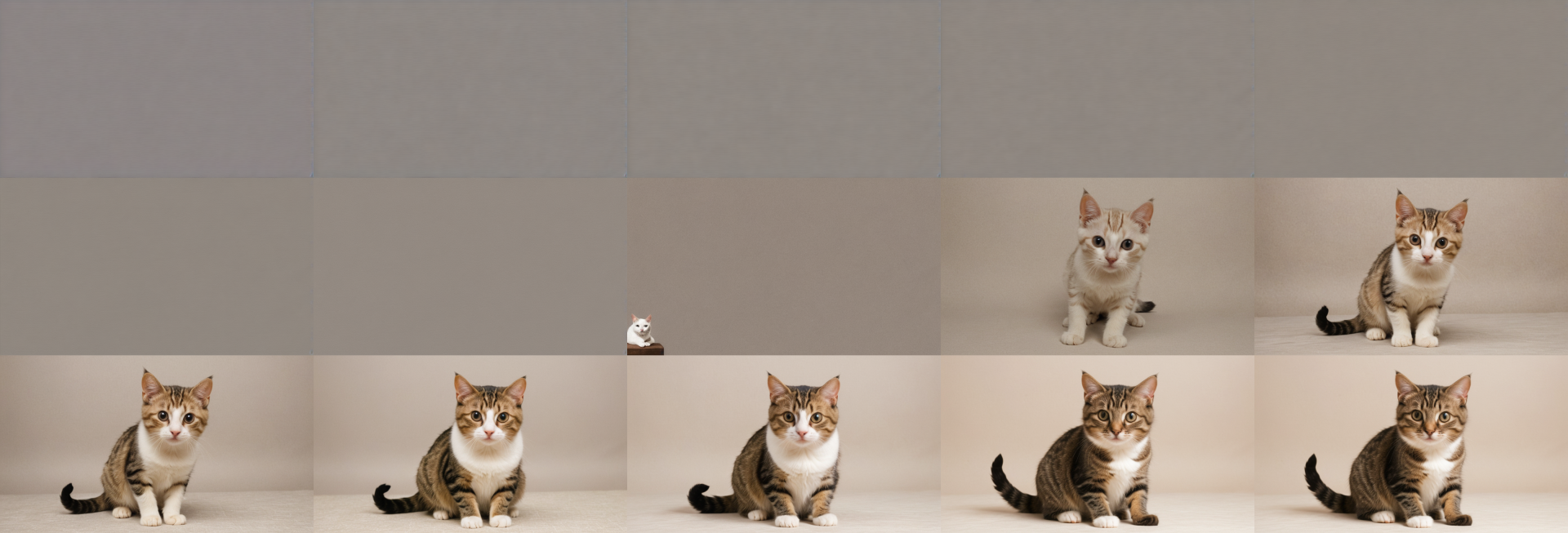
Gradual increase of denoise, allowing you to move further and further away from your starting point (in this case nothing), and towards a finished image
Empty space, drag to resize
How much you can move away from your starting point towards your new image. If you’re generating an image from nothing, you need to deviate a lot from nothing to get something. So a high denoise is the way to go. If you’re looking to edit an image (for example make someone old using our digital makeup template), you might not need to deviate too much.
Empty space, drag to resize
Empty space, drag to resize
Steps
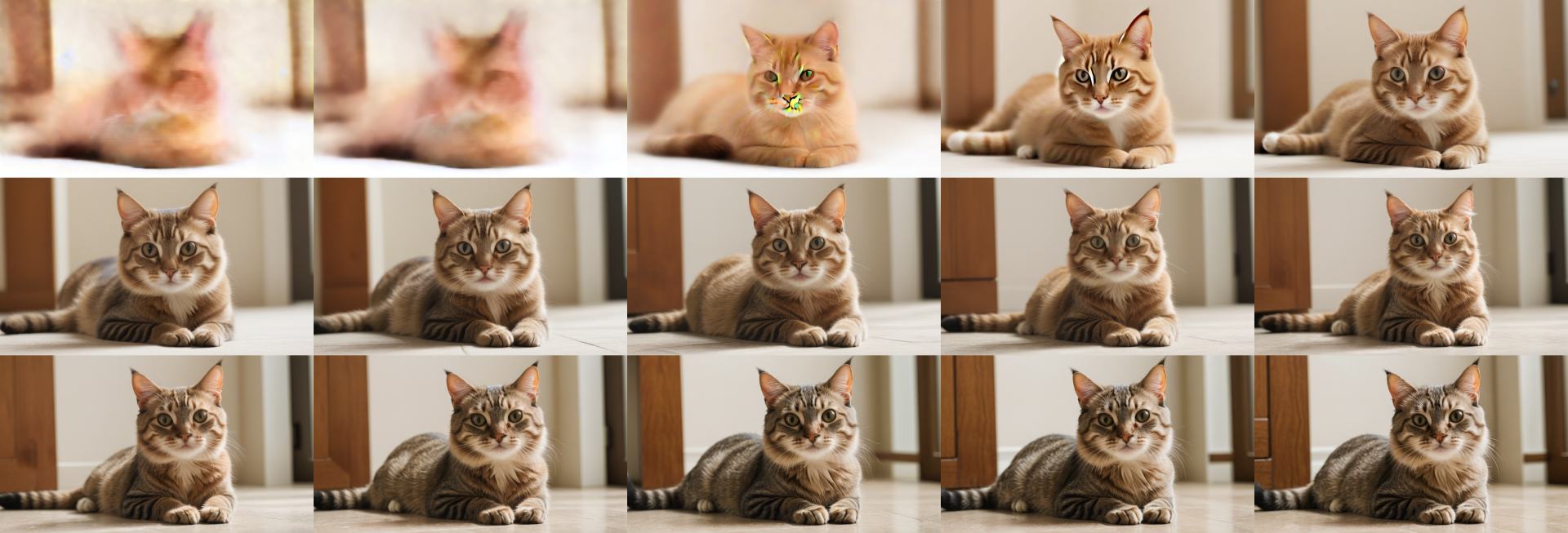
Gradual increase of steps, allowing the algorithm to refine the end result more and more, but with computational cost, and risk of “over refinement”
Empty space, drag to resize
DenoiseTo quote Scorsese "If you don't get physically ill seeing your first rough cut, something is wrong". The human creative process normally needs iterations, it’s rare to nail it on the first try! As it turns out, machines need a similar process. The more steps your generator can take, the more it’s going to be able to refine its output (but the more computationally expensive the generation will be)
Empty space, drag to resize