Visual effects, especially the 3D component to it, is essentially this -
Making the most primitive reproduction of reality that you can get away with.
Yes I’ve probably said this 1000 times, but with good reason. There are two very important concepts tied up in this one sentence -
Reproducing Reality
Students will often ask - how would you build this as a 3D model? Or How do you light the shot? The answer is, how would it be done in reality? So if you’re building a robot, how many different separate models are you building? Well, how many separate parts would it be? In reality, the screws should be separate. The glass should be separate from the metal, which should be separate from the rubber and so on and so forth.
If you’re matching lighting to a set, your starting point should always be - where would the lights have been on set?
Even my professional artists can forget this, and place lights 5 inches from a digital actors face when there clearly wasn’t such a light on set, on the real actor.
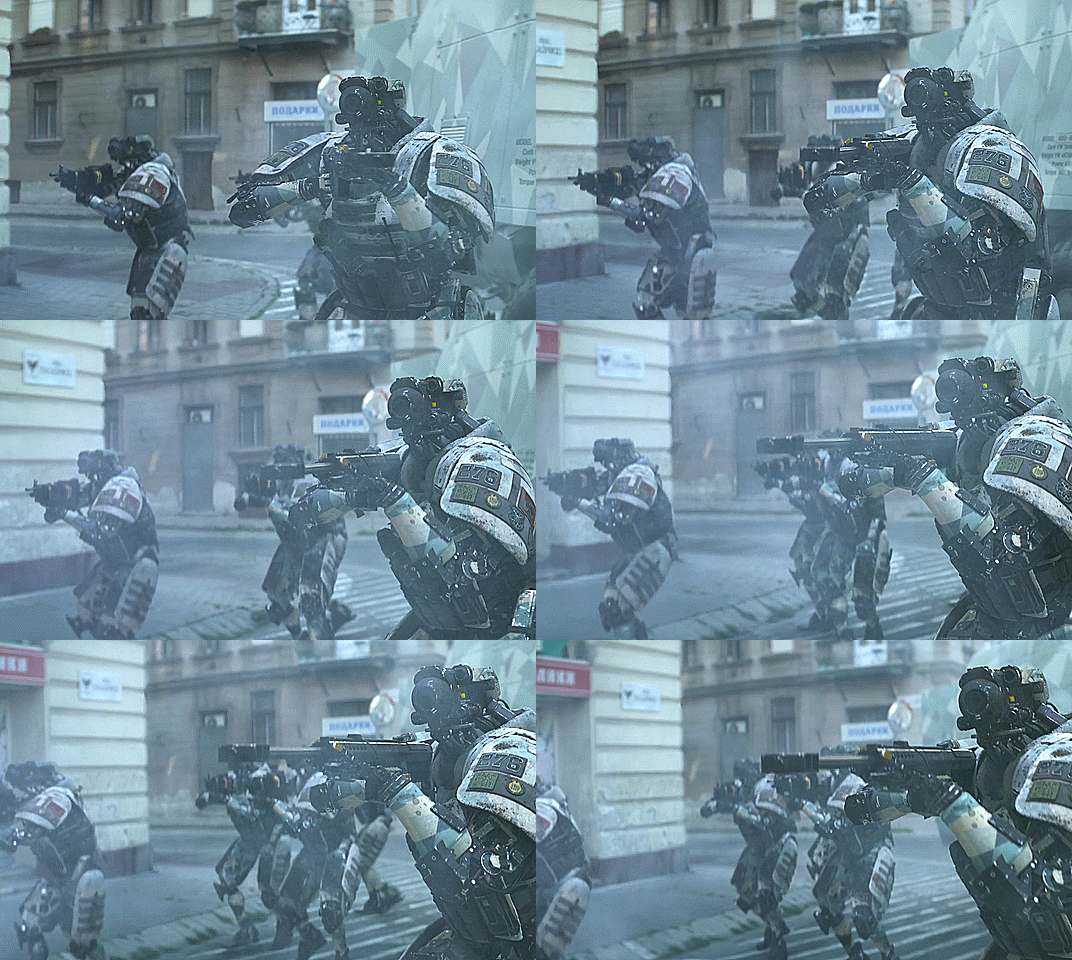
We built every nut, bolt, velcro patch separately, same as you would in real life. Or, to be more accurate - we bought packs of nuts and bolts and wires, and assembled them to build the robots….same as real life!
I often (patronisingly, I know…) advise people to ask themselves the question “Should this be done properly?”, and the answer should almost always be “Yes”. People often see VFX as magic, but it’s not. It’s still a practical process.
All of film is - but that definitely doesn’t mean that we can’t take short cuts…
Cutting Corners
A lot of time is wasted in VFX going too far, recreating aspects of reality that aren’t necessary. We aren’t creating reality. We’re creating the most basic version of it that the audience will believe.
I was once asked, whether I would sculpt a male actor’s junk, if he’s wearing trousers? The answer is…no. You don’t see it, so I wouldn’t sculpt it.
Now as soon as it needs to come out of the trousers, then that’s a point where we can start worrying about it. Or even, if his John Thomas remained under his trousers but needed simulating, I would make something - the most primitive representation that the simulation requires (a basic cylindrical shape)
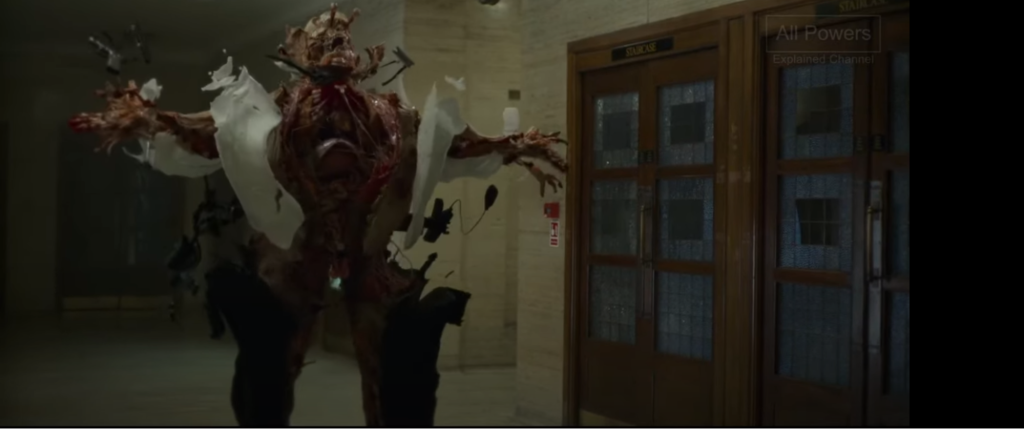
A rare exception. This gentleman’s package DID find its way out of his trousers, and therefore was fully built in 3d
I’m regretting this metaphor, let’s backtrack. If you don’t see something, you probably don’t need to build it.
But further than that, for our purposes, we need to define reality as what it feels like, visually, rather than “objectively what it is”. A HUGE amount of time is wasted by both students and VFX professionals by trying to make everything perfect, when perfection isn’t necessary.
Find the Feeling
If it feels real, that’s good enough. AI actually does this really well. When you start to look into it, you can see the extra fingers, the wonky teeth, the bonus legs, whatever it might be, but it often gets away with it because it feels real.
Here’s what I’d suggest to train yourself to identify with the feeling of reality rather than actuality of it -
- Squint hard, and/or zoom out/step back from your footage. Everything that disappears probably never mattered to begin with
- Watch your work back in an edit. What an audience is feeling, and where they’re focused is heavily influenced by the shot that comes before the shot you’re doing. And they’ll only see it once. Watch it once, in context, and see what jumps out to you
- Describe what you’re trying to achieve in words, exactly as though you were writing a prompt for AI (“Add a rickety old shed to this footage of a mountain. The shed should feel abandoned, and be made out of wood, and feel quaint and charming”). Every decision you make that moves you closer to the prompt matters, every decision that moves you further away or sideways is bad.
The truth is effective VFX lies in finding the perfect balance between “making reality” and “faking reality”.
The more you construct your digital world to follow the real world, the easier it is going to be to make it believable. However, if you go too far, you won’t have any time to finish your work, and your work may feel soulless, as you missed the “feeling”.
Finding that balance is a skill, and it’s gonna be different in every single shot you do.
So like so many things in VFX, there are no hard rules, just some guiding concepts.