
Discover how reality, simplicity, and story shape the magic behind VFX– with a behind-the-scenes look at our latest project!🤫
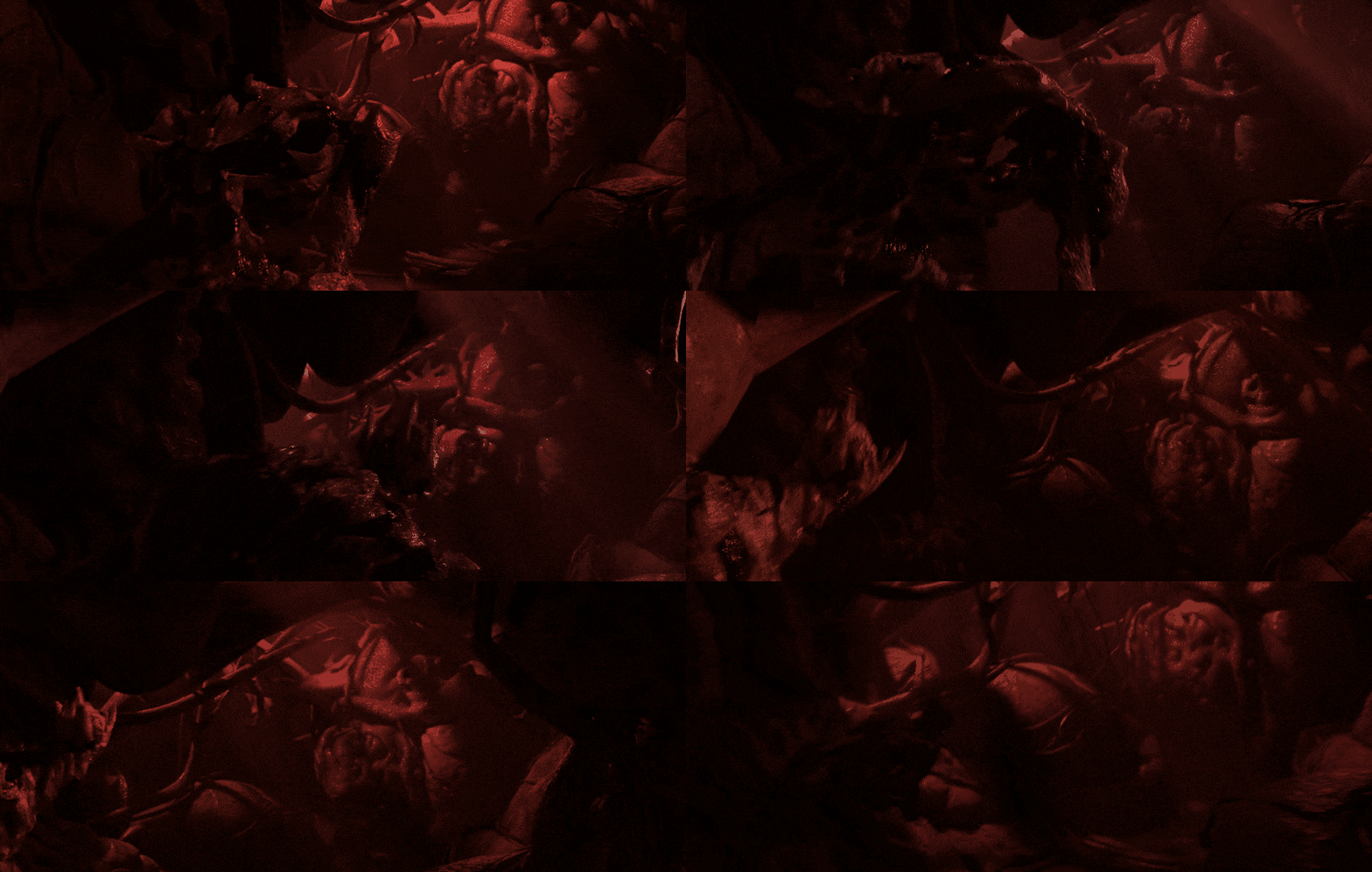
This is a WIP of a shot from “God of Bones”, an in-house project that we’re currently creating. You’ll hear a lot more about this, and I’ll create a lot more content as we get closer to delivery! I shared it on our Discord server recently and realised it was a good example of “the holy trinity” of VFX, so let’s dig in!
I’ll start with one of my favourite definitions of VFX
“Creating the most primitive representation of the real world that we can get away with, and presenting it in a way that allows us to communicate the story as effectively as possible”
If we break that down, it gives us three of the most important considerations in VFX, that are so often overlooked - reality, simplicity, and story. Let’s consider these separately:
Reality
If we’re creating a representation of the real world, or at least the real world as recorded through a camera, then we really need to understand it as best as we can.
It’s odd that in VFX we can become both obsessed with reality, whilst also forgetting the best way to learn how to recreate it - by studying it! That’s understandable, in that VFX is often used to create effects that CAN’T exist in reality, but I’d argue that the real world can always give us clues to make our work better.
The problem that most of us have with reality, is that it’s just too damn complex! Which is why the next two subjects are so important.
We recently delivered a horror film that had a shot of bones bobbing up in a bath of stagnant and congealed blood. That’s definitely difficult to get reference for - how transparent would it be, how stained would the bones be, how would they move as they bobbed up to the surface, where would the bubbles be, there’s a thousand things to work out.
I was this close from getting some fake blood and filling up our family paddling pool, but the kids shot me down. So in the end, we just threw some toys in some soup and filmed them. Far from perfect, but it gave us a really useful guide, and it became our go to reference for all the shots in the film. I’ll show you the results when the film is released!
Simplicity
If understanding how the real world works is hard, recreating it is damn near impossible! It’s way too much work. There’s just too many things, and they’re too detailed!
VFX isn’t that complicated, but it becomes complex quickly, and ultimately it can feel like a house of cards. When one thing goes wrong, everything goes wrong. And in filmmaking and VFX, things go wrong ALL THE TIME.
That’s where simplicity comes in.
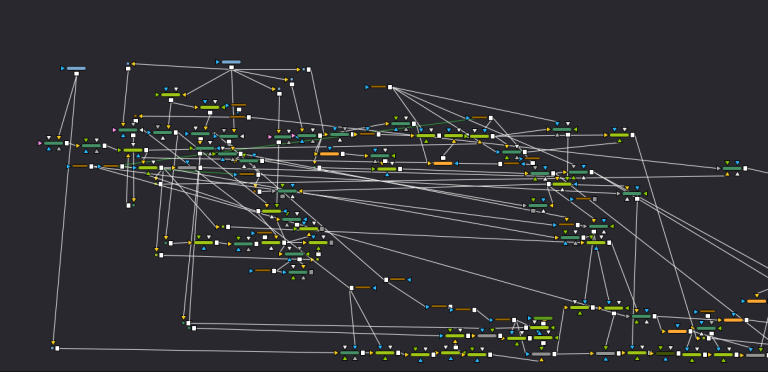
I’m not going to suggest you work as chaotically as I sometimes do. But as awful as it may be to look at, every step is simple enough that I could explain it to a beginner. And if I have to solve a problem, I will step through the network one step at a time, so that I can solve the problem at the level of simplicity.
Simplicity is everything in creative problem solving, but creatively powerful work also comes from simplicity. That’s where story comes in.
Story
If you pick up your phone, point in a direction, and take a photo, you’ll get something that represents reality incredibly well, but likely has no visual merit.
Why not? Put simply, it’s not organised, and visual storytelling is essentially organisation.
A common mistake in VFX is treating all visual information equally, because we get obsessed by simply recreating reality. But of course in real life, not all details are equal. A lion that is 100 metres away won’t take up much of your field of vision, but if it’s running towards you and looking hungry, it’s MUCH more important than anything else, and you should organise your reaction accordingly.
Same thing in VFX. Not all details are equal, and not all tasks take the same amount of time. If you prioritise your tasks and decisions according to which are easiest AND serve the story/purpose of the shot the most, you will drastically cut down the time your work takes.
You’ll also be massively simplifying, because everything that doesn’t contribute to your story just isn’t worth worrying about. In order to have creative potential, reality needs to be simplified .
Example of “The Holy Trinity” in action
Let’s consider these topics through the example of the shot above. The story has the God of Bones having to destroy a huge Serpent, his own creation.
Reality
Tricky one - how to get reference of the inside of a huge snake?
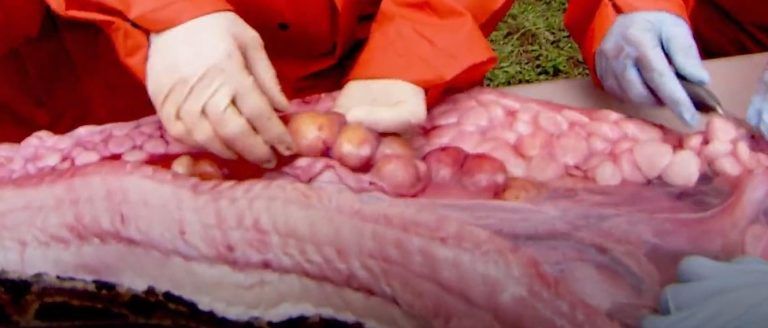
There’s so much there that you wouldn’t imagine if you hadn’t seen it with your own eyes. But what about light? The light source is sunlight, coming through wounds ripped into its sides. The moist atmosphere inside the snake is picking up the light, creating shafts of light.
What we couldn’t quite work out is how to get the ideal reference for it, so in the end we got a cardboard roll, cut some holes in it, filled it with aerosol spray, and lit it.
Since then, this has been our visual guide for the lighting in the project! The halo of light around the tube, the movement of the rays, the pulsing of the light, it’s really informative.
Simplicity
We were already pretty advanced on that project before we did that really simple test of light in a cylinder, but when we did, we knew that we had to roll back - complex problem solving almost always comes from stripping everything back to the most simple state that you can.
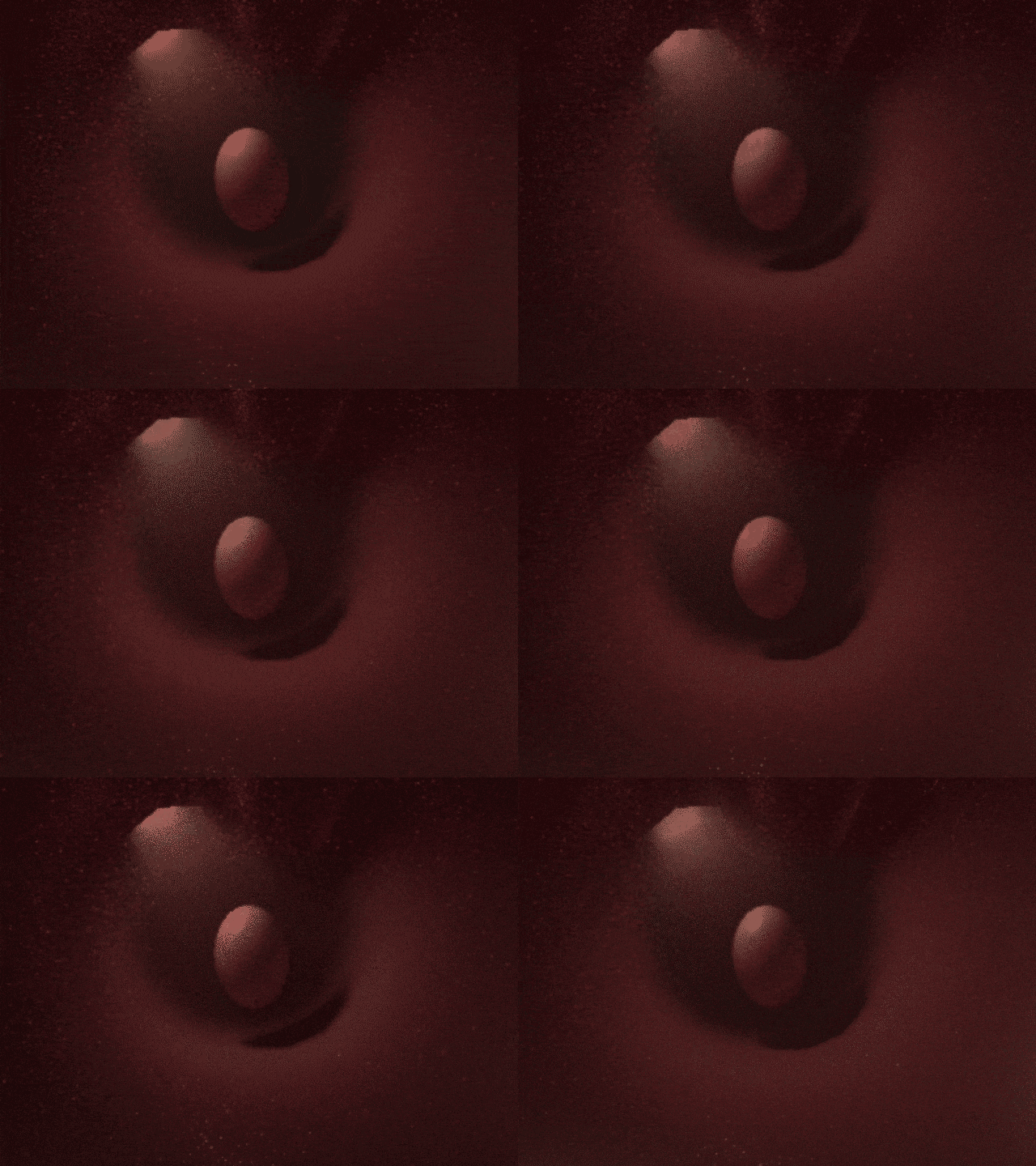
If we try and solve the lighting in a scene where we’re also worried about character animation, jiggly organs, a beating heart, God knows what else, the whole house of cards can come down. So we go simple. Simple is good for sanity, and also speed. We ran a test with one cylinder, and one light, and then when we had the feeling that we wanted, we re-introduced the complexity
Story
The God of Bones is working towards the heart. He will attack that to kill the serpent. So really nothing else matters, that’s why the light is aimed at those 2 things. The organs themselves are really not high quality assets compared to those things. I’m just hoping that you don’t notice, because you’re not looking at the organs.
However, the feeling of the shots needs to be claustrophobic. So we need enough organs to make you feel that. It would be better to have low quality, low resolution organs that make you feel something than it would be to have amazingly photoreal ones that serve no purpose in the story. Not all details are equal.
It’s a long one this week, but important. If you want to follow the God of Bones story more and you’re a Shoot First student, then head over to the dashboard to join the Discord and the discussion!