I’m assuming that you’ve already had your mind blown and maybe your heart by OpenAI’s Sora demonstration. If not, it’s the latest AI from the makers of chatGPT, which allows you to create video footage from text prompts. If you haven’t seen the results, make sure you’re sitting down, and head over to their website to see some examples.
So, just like everyone else in the world right now, I’m gonna talk about this. I’m a natural optimist, which may make me hopelessly naive in the face of something as clearly terrifying and threatening as AI is.
And yet I have been embracing AI, and I have been experimenting with how to use it in VFX (the Shoot First course covers AI rotoscoping, AI motion capture, and we’re looking to expand it in this direction soon).
I’m optimistic. At least, optimistic in the context of how it will affect VFX - I’m sidestepping AI’s impact outside of VFX (fake news, deep fake pornography, etc) and I’m sidestepping the moral argument (AI creates imagery based off stolen content. Maybe Sora is different, they’ve partnered with stock footages services, but…hmm)
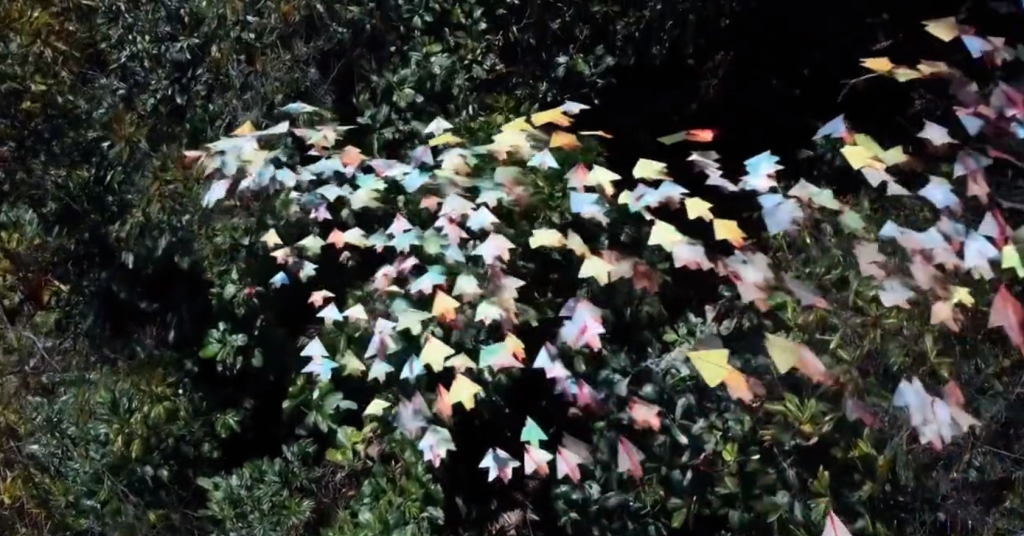
Is it a bird? Is it a plane? No, it’s all your hopes and dreams getting crushed, completely, by AI. I’M KIDDING
Creative, because we’re creating, obviously. But we’re doing it in a technically daunting way.
Most people will identify as a creative OR a technically minded person. If I ask which one you are, you probably know, right?
So, without further ado, here’s my reasons for optimism amid the general doom and gloom
1. Widespread use of AI generated imagery may result in more, not less need for VFX skills
Most of VFX is changing filmed footage, either for technical reasons (boom visible in shot), or for story reasons. Maybe at some point AI generated imagery will be perfect, but until then it will either have technical glitches, which could be fixed with a VFX skillset, or it will need to be re-worked to push the story beats (see point 5!)
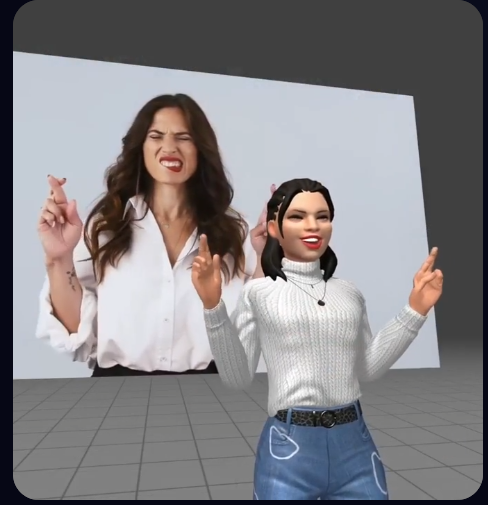
AI assisted motion capture is already here. You can use it to greatly increase your creative output, at low cost. But if you don’t understand the basics of storytelling and animation, I think you’ll always be limited
2. The skillset most likely to be taken by AI is the skillset that I’d be happiest to hand over to the overlords
I’ve spent hours learning skills that I no longer need to the same extent - modelling and texturing can often be replaced by scanning (which didn’t exist when I started VFX), some animation can be replaced by motion capture, which can be done reasonably well with no suit and AI assistance (such as Deep Motion), and AI is making decent inroads into rotoscoping and tracking.
All these skills I use less, and I’m grateful to the labour that the computers have taken from me. But I still use those skills, or at least the lessons I’ve learned from them, every day. If I hadn’t taken that route, I wouldn’t have the basic skills necessary to create, and would be 100% reliant on technology. But since I have them, I can leverage technology, and when it (inevitably) lets me down, I can forgive it, rub its tummy, and get to work myself.
3. We’ve already hit visual fatigue, and it’s made us appreciate craft even more
There’s a concern that as it gets easy to create rich, polished images and video, that will result in an a tsunami of eye catching garbage, as social media gets filled with easy-to-create throwaway content. Content created through hard graft will get lost in the noise.
But aren’t we already sick of FX heavy blockbusters, created by the numbers? Aren’t people crying out for content that has been crafted, and cared about, and has real human perspective?
I think so. Yes, we’ll be hit with a deluge of rubbish, and I think that’ll make us yearn for anything that isn’t that.
4. Power in the hands of small creators is never(?) going to be a bad thing
The whole point of Shoot First is to get as much creative power to the everyday artist as possible, to allow you to create Hollywood shots from your bedroom. If AI helps you do that, surely it’s at least something of an ally?
5. AI is an undirectable diva
Imagine you’re directing on set, and you say to your actor - that was amazing! I’ve never seen such an amazing performance! Could we do one more take, and you do exactly the same, but just rotate your head a tiiiny bit more slowly? And they go “Sure! I can do that, and I’ll also put on completely different clothes and make up, and invite 3 more random people to stand behind me!”
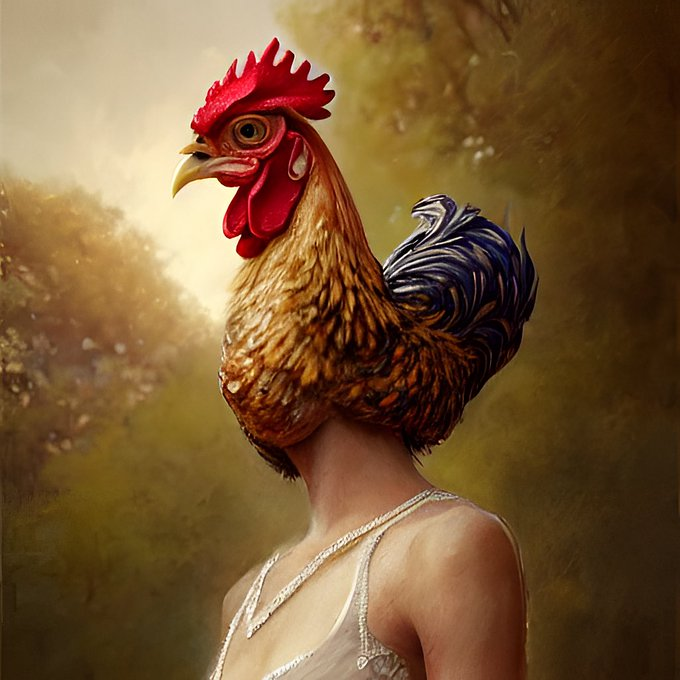
WHY IS THERE A CHICKEN ON HER HEAD, I JUST ASKED FOR A FEW FEATHERS ON HER SHOULDERS??
If you’ve used AI to generate anything, you’ll be familiar with this problem. AI doesn’t have any idea how it has created what it has created (try asking chatGPT to cite its sources…), and therefore is very difficult to direct. It’s like working with the most talented artist in the world, who barely listens to a word you say.
Maybe that will get better, or maybe it’s inbuilt into how it creates.
6. Filmmaking has always been about adaptability
Sound wasn’t a welcome addition to film, when it first arrived. Neither, surprisingly, was colour (the great book Film as Art predicted that colour wouldn’t last, it overcomplicated the imagery too much). Neither was 3D, and…well, that still isn’t welcome. Every 10 years or so, Hollywood tells audiences that they want to wear 3D glasses, and every 10.5 years or so, the audiences tell them to shove it.
It’s a young art form, born in a time of great technological advancement. Adaptability is in its DNA. VFX didn’t fundamentally change cinema, but it allowed different stories to be told. I think AI will do the same.
When it comes to AI, we’re all reading tea leaves and making prophecies, really, aren’t we? Except for me, I’m pretty sure I’m completely right, as usual, but I’d be interested in your thoughts, let me know if you think I’m wrong!