It's not for the reason you think

As “The Marvels”, the latest Marvel movie bombs at the box office, it seems as though either people are getting tired of superhero films, or they’re getting worse, or both.
I think that same thing is happening with VFX. I’ve read countless comments underneath film trailers mocking modern VFX. Even popular Marvel films like Black Panther have had significant criticism of the effects work.
In my opinion, for both Marvel films, and for VFX in general, the quality IS getting worse. So let’s unpack what’s happening here.
With so many different streaming platforms all desperately trying to churn out as much content as they possibly can, there is a much bigger need for visual effects artists than there was 5 or 10 years ago.
So is it simply that films being made today are using visual effects done by less experienced artists, and as a result end up with weaker effects?
Nope, I’d argue that’s almost certainly not the case. I started working in film around the time of the first Harry Potter films being made. Luckily for UK artists, JK Rowling had insisted that a certain percentage of the work had to be done by UK companies.
This meant that we suddenly had a need for huge amounts of visual effects artists that just didn’t exist in London at the time. So everyone learned on the job, guided by a handful of industry veterans.
The exact same thing happened in New Zealand for Lord of the Rings. There was no visual effects community there when they started making the films. Yes, they flew in many artists from around the world, but the majority of the local artists were learning as they went along. I feel like the results speak for themselves; Weta, the company responsible for the LOTR, VFX went on to create Avatar.
Clearly excellence can burst out of nowhere, if the conditions are right. But it cannot exist in a vacuum. Excellence thrives off the demand for excellence.
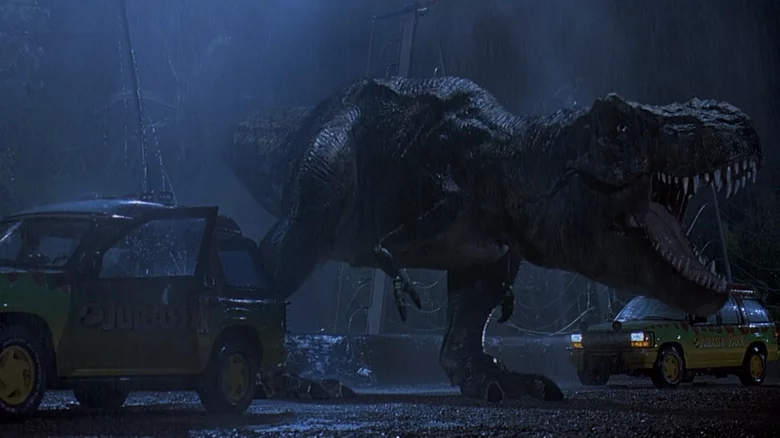
The VFX of Jurassic Park still stand up to scrutiny today, even though today’s VFX tools and computing power are light years ahead of where they were back then. Everyone involved understood the brief. And the brief wasn’t “Good for 1993”, but rather “Amazing, forever”.